

There’s a version of this story where we talk about the segment, the competition, the market dynamics. But I think the more interesting story here is what Tata has actually managed to stuff into a car that starts at Rs 4.69 lakh. Because when you sit in the 2026 Tiago and start going through what it has, the honest reaction is surprise. This is not what an entry-level hatchback is supposed to feel like in 2026. And that, more than anything else about this update, is worth talking about.
Interior and Features in the 2026 Tata Tiago
The dashboard has been completely rethought. Gone is the old layout that felt like it had been carried over one too many times. What’s here now is a free-standing 10.25-inch touchscreen flanked by a digital driver’s display where the analogue binnacle used to sit. The screen is genuinely good: high resolution, responsive, no lag that irritates you in daily use. Tata has updated the electrical and electronics architecture underneath all of this, which matters because it’s what makes the rest of the feature list possible. Wireless CarPlay and Android Auto are here. So is a wireless charging pad, a cooled glove box, rear AC vents, connected car tech and cruise control. The AMT gets a rotary gear selector, which tidies up the centre console considerably. I’ve reviewed cars at two times this price that don’t offer this combination of features without you having to tick a lot of option boxes.
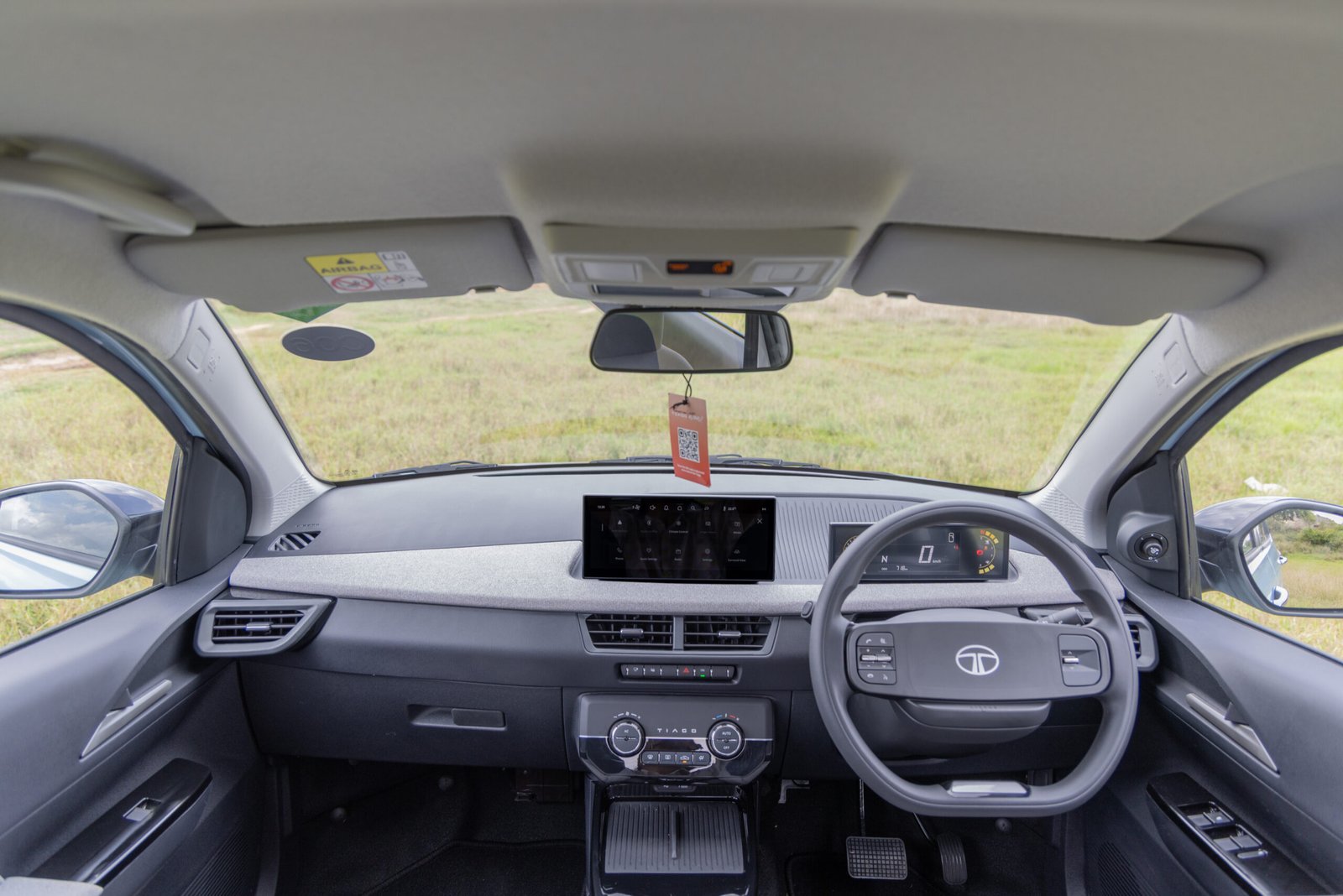
The materials tell a similar story. This is a segment where you’re not going to get leather and soft-touch plastics everywhere, and Tata isn’t pretending otherwise. But the fabric choices on the dash, the door armrests and particularly the seats are considered. The variety of textures works. And I’ll say what I always say about fabric seats: for the climate we live in, they’re the right call. The Tiago’s are among the better ones you’ll find at this price.
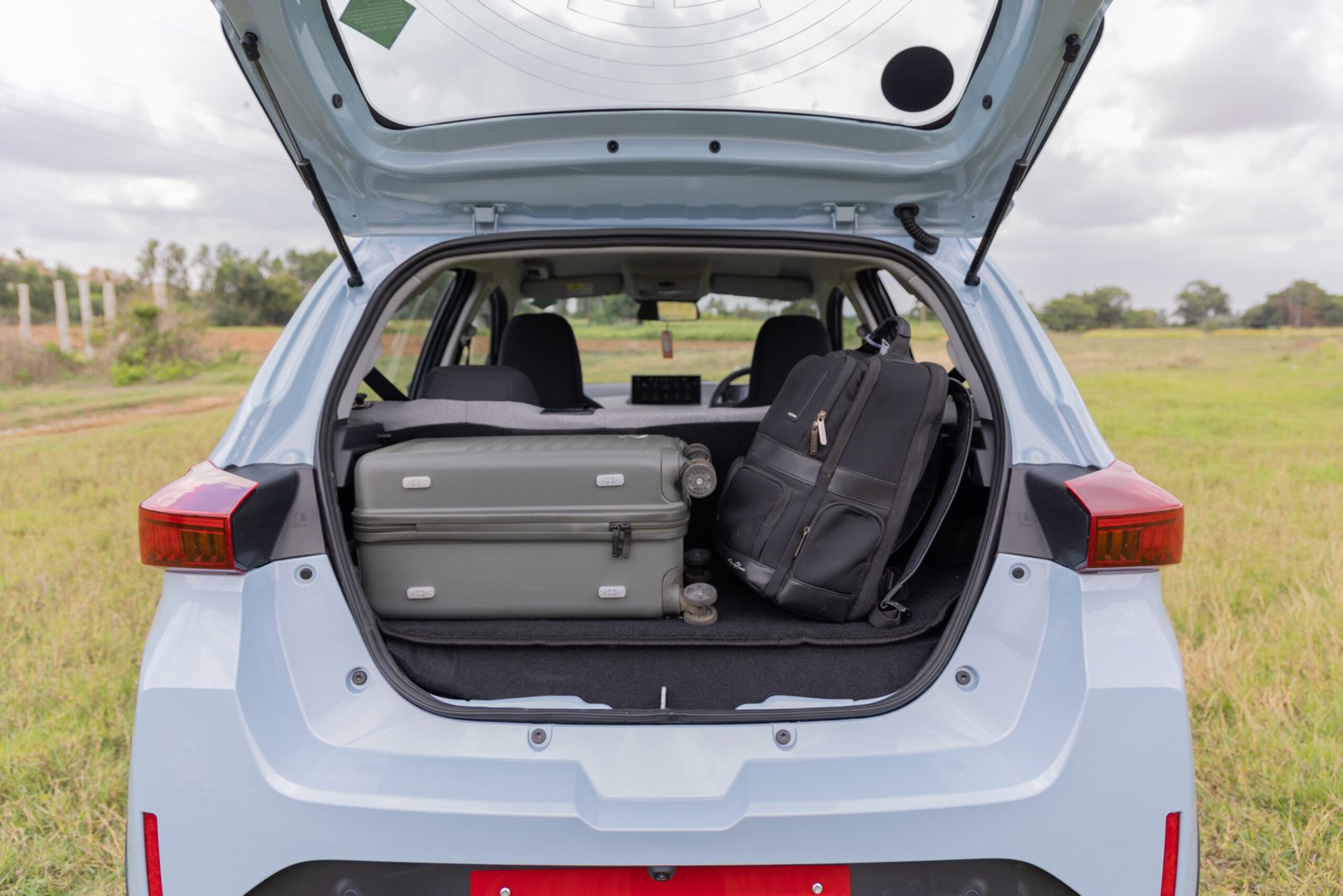
Safety gets a significant upgrade too. Six airbags are now standard across the entire range, not just the top trims. That’s a meaningful policy shift, and one that not every rival in this space has matched. You also get a 360-degree camera, ESC, ISOFIX anchor points, parking sensors and ABS with EBD. Tata says the bodyshell itself has been strengthened. Taken together, this is comfortably the strongest safety package in the segment.
Exterior design of the 2026 Tata Tiago
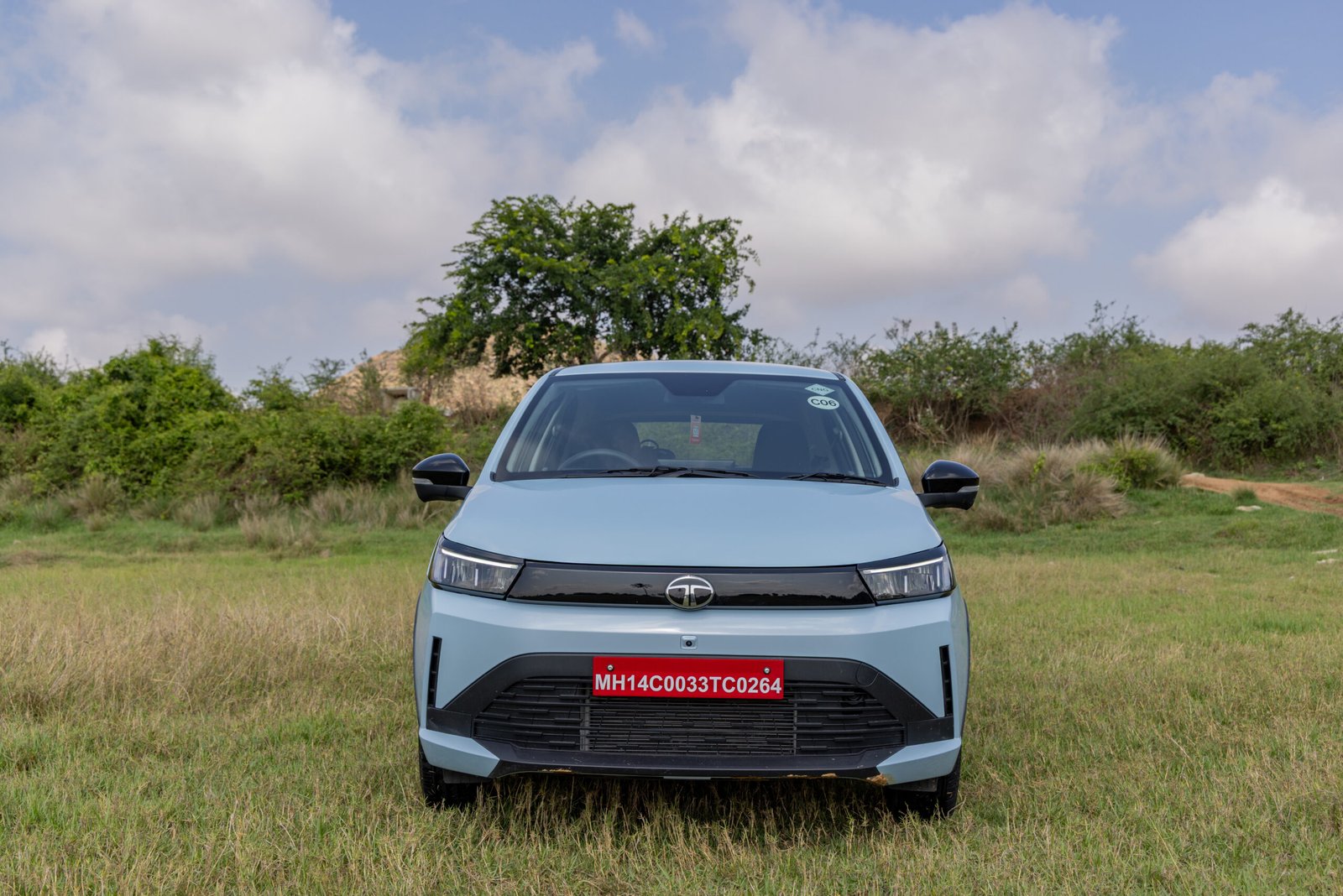
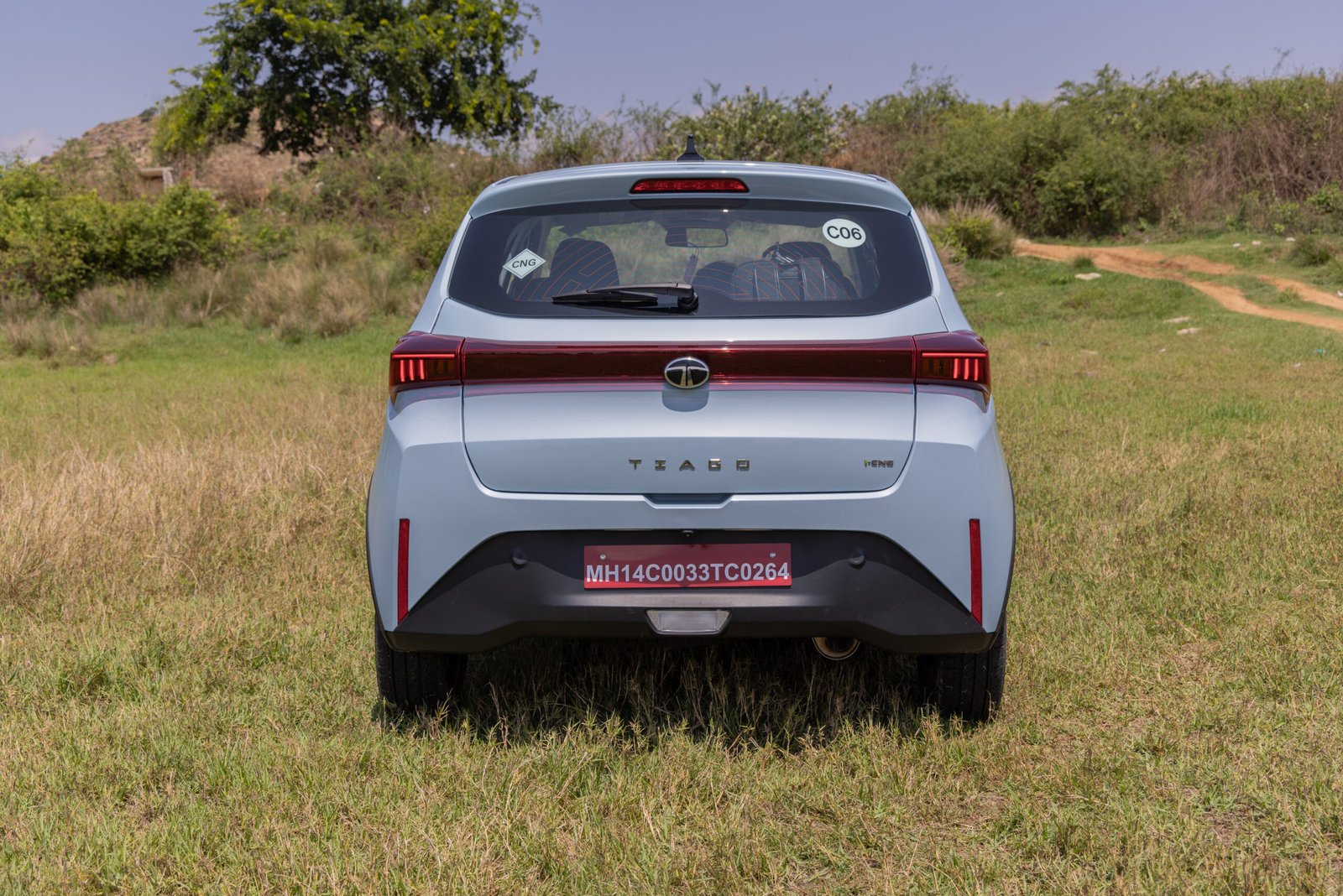
The exterior has been worked over as well, though the changes are evolutionary rather than dramatic. The front is sharper: new slim headlamps higher on the fascia, a redesigned grille, a bumper with a larger air dam. The whole face reads as more resolved than the outgoing car’s rounder, more expressive look. I think it’ll age better for it. Connected tail-lamps and a cleaner bumper at the rear, new alloy designs and black wheel arch cladding over the sides. On colours: there are six options, and the pastels are the interesting ones. Of those, the Pangong Pulse works well on the car. The Varanasi Vibrance, not so much. Whether people will actually move away from white and silver is hard to say, but it’s good that the choice exists.
Performance and Dynamics
Now, the powertrain. The 1.2-litre three-cylinder is unchanged, 86hp on petrol and 75.5hp on CNG, and on the gearbox question, I’d take the AMT without much debate. The manual is notchy, has a long throw, and the bite point sits high enough up the pedal travel that you’ll be fighting it for the first few days. The AMT nods its head a little under hard throttle, but for city use it’s the more liveable option and the one I’d recommend. Where the Tiago earns real credit on the road is ride quality. For this segment, it’s exceptional. It swallows potholes and broken tarmac with a composure no rival at this price really matches, and at highway speeds it stays planted enough to give you some genuine confidence. Roads in this country are not kind to small cars, and the Tiago handles them better than it has any right to. My gripe is the steering, which sat misaligned on the car I drove. It’s something I’ve noticed on a handful of recent Tata launches and it really ought to be sorted at this point. The three-cylinder is audible under hard acceleration too, but that’s the nature of the engine and not something the update was going to fix.
One detail worth flagging for CNG buyers: the AMT variant now gets paddleshifters, a first in the segment. They’re more novelty than necessity, but they show Tata has been paying attention to this version of the car rather than treating it as an afterthought.
Verdict
Pricing runs from Rs 4.69 lakh for the base petrol manual up to Rs 7.85 lakh for the Creative+ petrol AMT, with CNG going from Rs 5.79 lakh to Rs 8.55 lakh for the AMT Creative. The mid-range trims are where the value really concentrates. That’s where the interesting features land without the price getting ahead of itself.
The Tiago isn’t going to excite you from behind the wheel, and the powertrain hasn’t changed enough to alter that. But the tech story at this price is genuinely impressive, the ride quality is the best in the segment, and the safety specification has taken a real step forward. If you’re buying in this space, this is the benchmark to measure everything else against.