

I drove the Volvo EX30 last week, and after spending a good amount of time with it, I have to say, it is a genuine breath of fresh air. In a world where electric cars are increasingly becoming homogenous blobs of aerodynamic efficiency, the EX30 arrives with a distinct personality. It’s a car that is brimming with character, defined as much by its clever innovations as by its head-scratching quirks. And honestly, that makes it far more likeable than many of its more polished, but ultimately soulless, rivals. It’s not perfect – far from it – but it gets enough of the fundamentals right to make you forgive, and maybe even grow fond of, its eccentricities. Here’s a deep dive into what I loved, and what left me utterly bewildered, in Volvo’s smallest-ever SUV.
Volvo EX30 Exterior Review: A Bold New Design Language
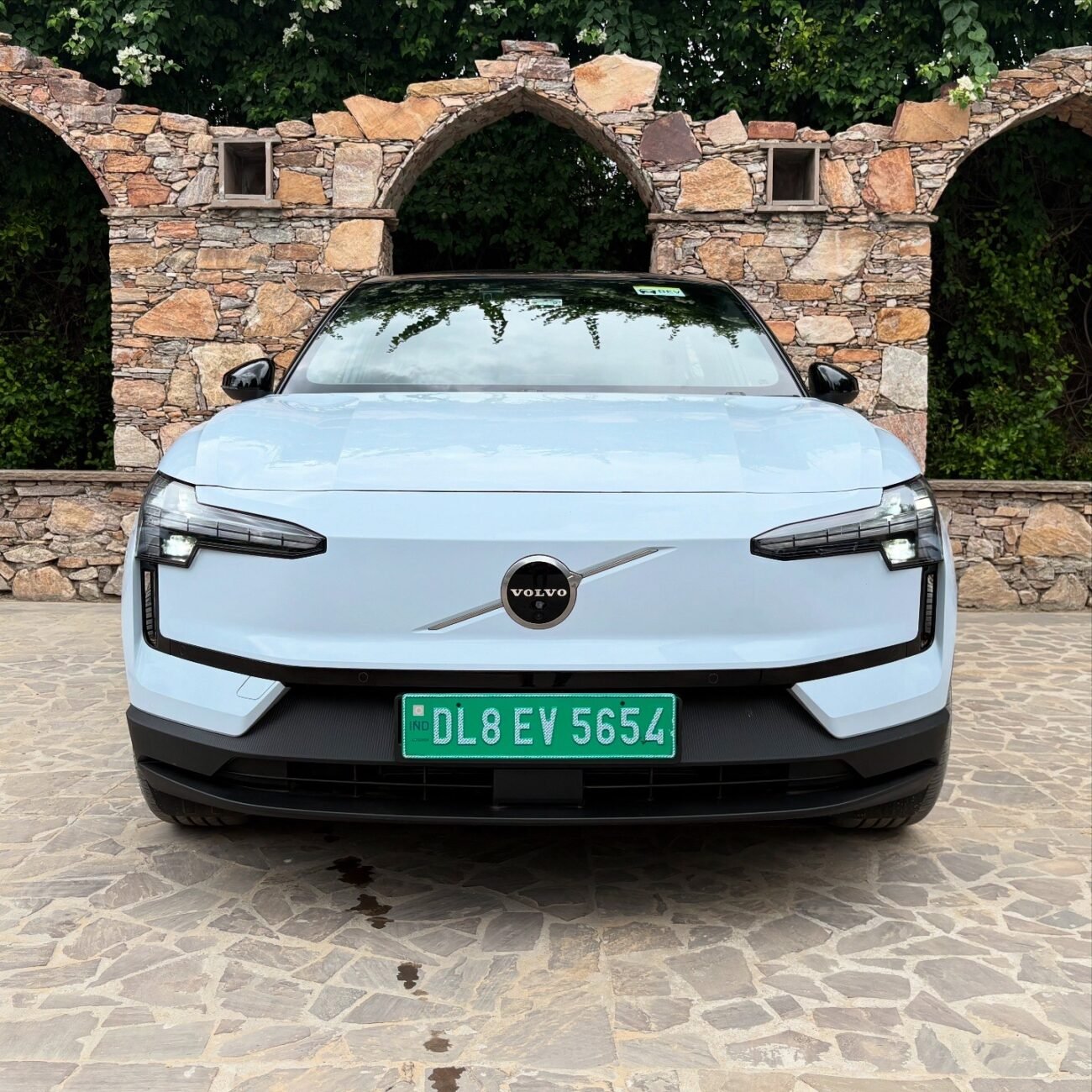
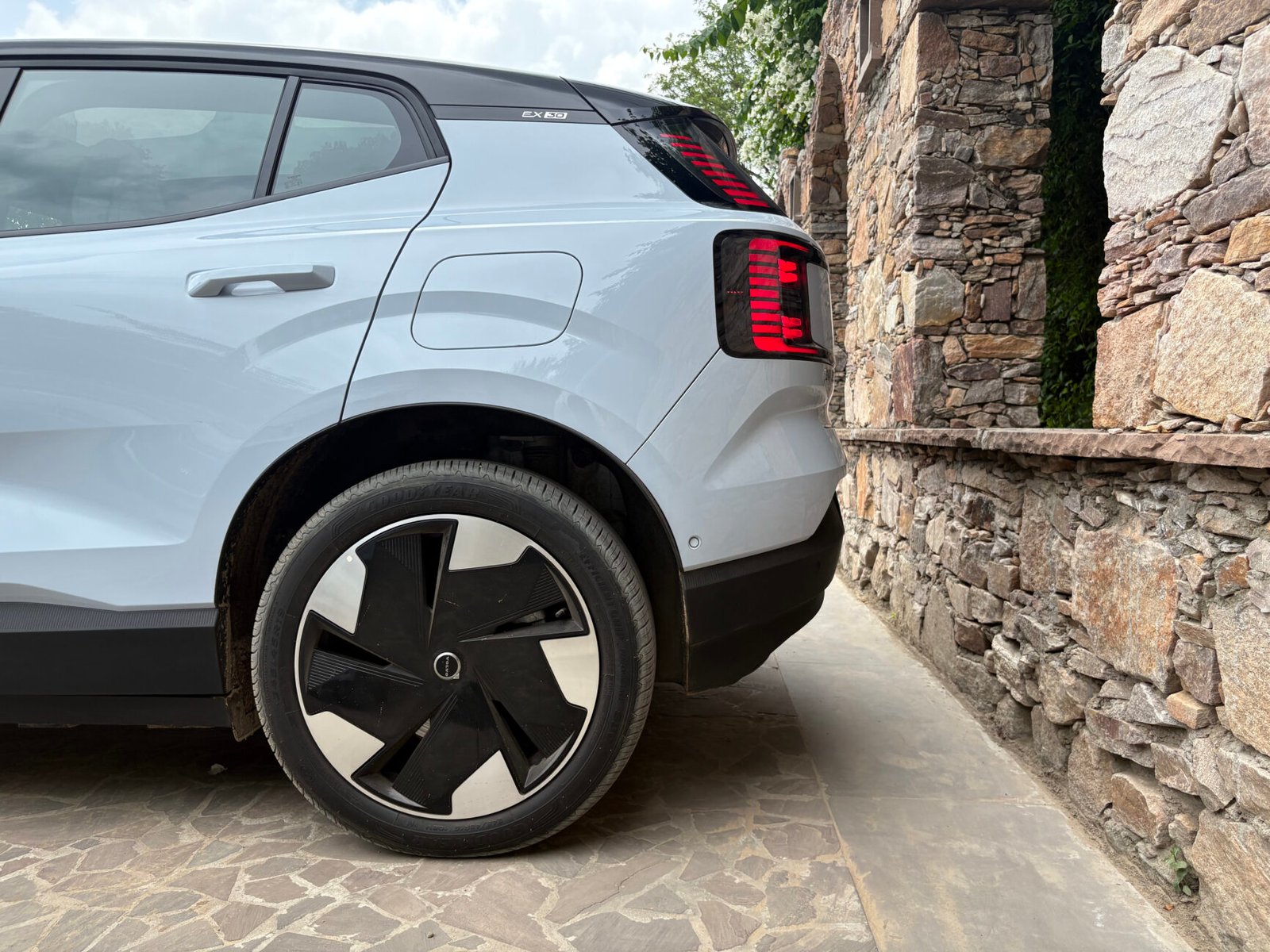
For decades, Volvo’s design has been simple, but elegant. In other words, boxy, but good. The EX30 throws that rulebook out the window, incinerates it, and scatters the ashes. This is not your grandfather’s Volvo. It confidently deviates from the traditional two-box SUV silhouette, opting for a more compact, muscular, and almost concept-car-like aesthetic. The proportions are tight, the surfacing is clean, and the stance is assertive, especially on those chunky 19-inch aero wheels.
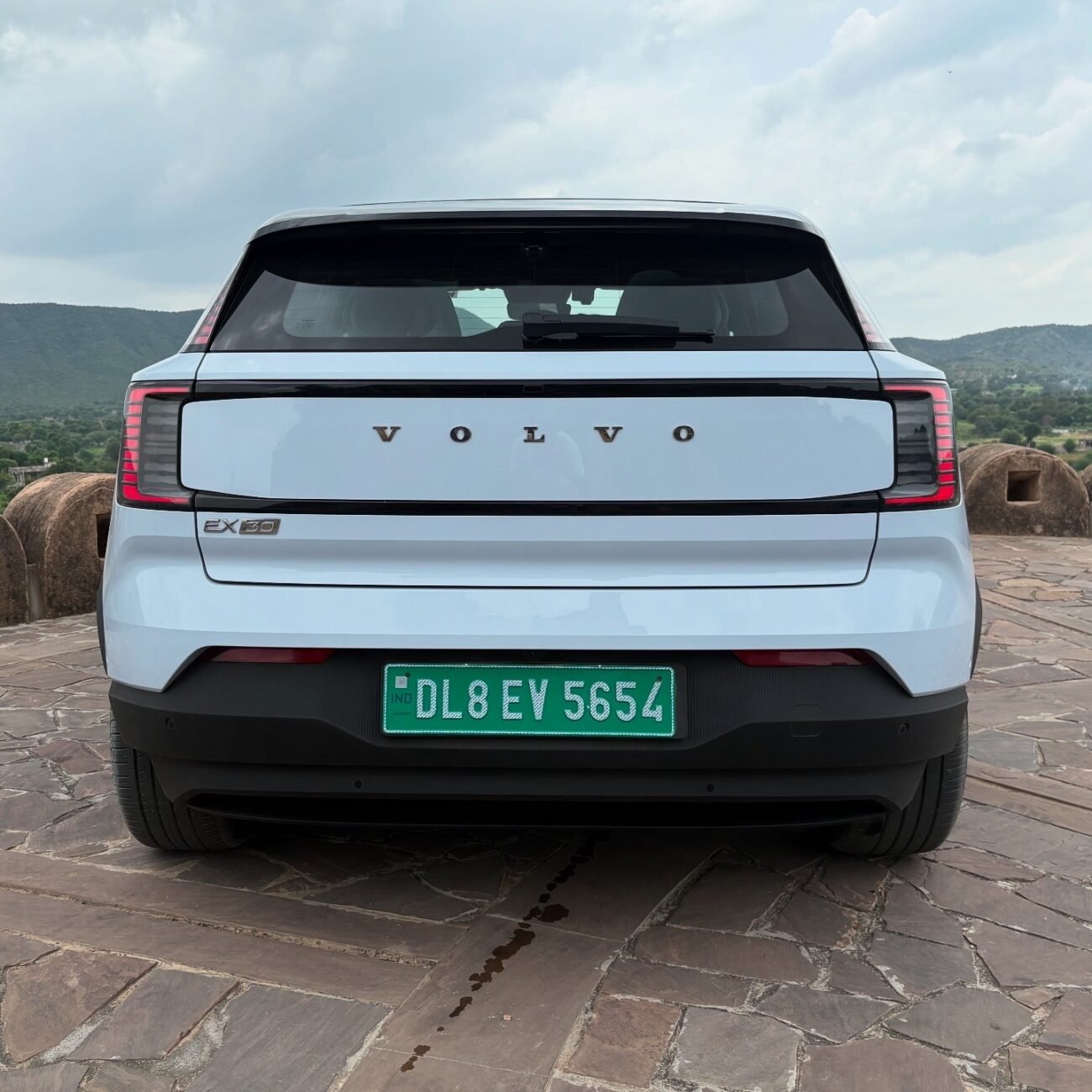
The real magic, however, is in the details. The signature “Thor’s Hammer” headlights have been reinterpreted in a pixelated, digital format that looks incredibly sharp. The front-end is clean and grille-less, giving it a futuristic face that’s both friendly and determined. But it’s the rear that truly steals the show. The split vertical tail lamps are a masterstroke of design – a unique and instantly recognizable signature that ensures the EX30 will stand out in any parking lot. It’s a design that is cohesive, modern, and unapologetically bold. In a sea of look-alike crossovers, the EX30 is a welcome and stylish punctuation mark.
Volvo EX30 Interior: Sustainable Minimalism and Tech Focus
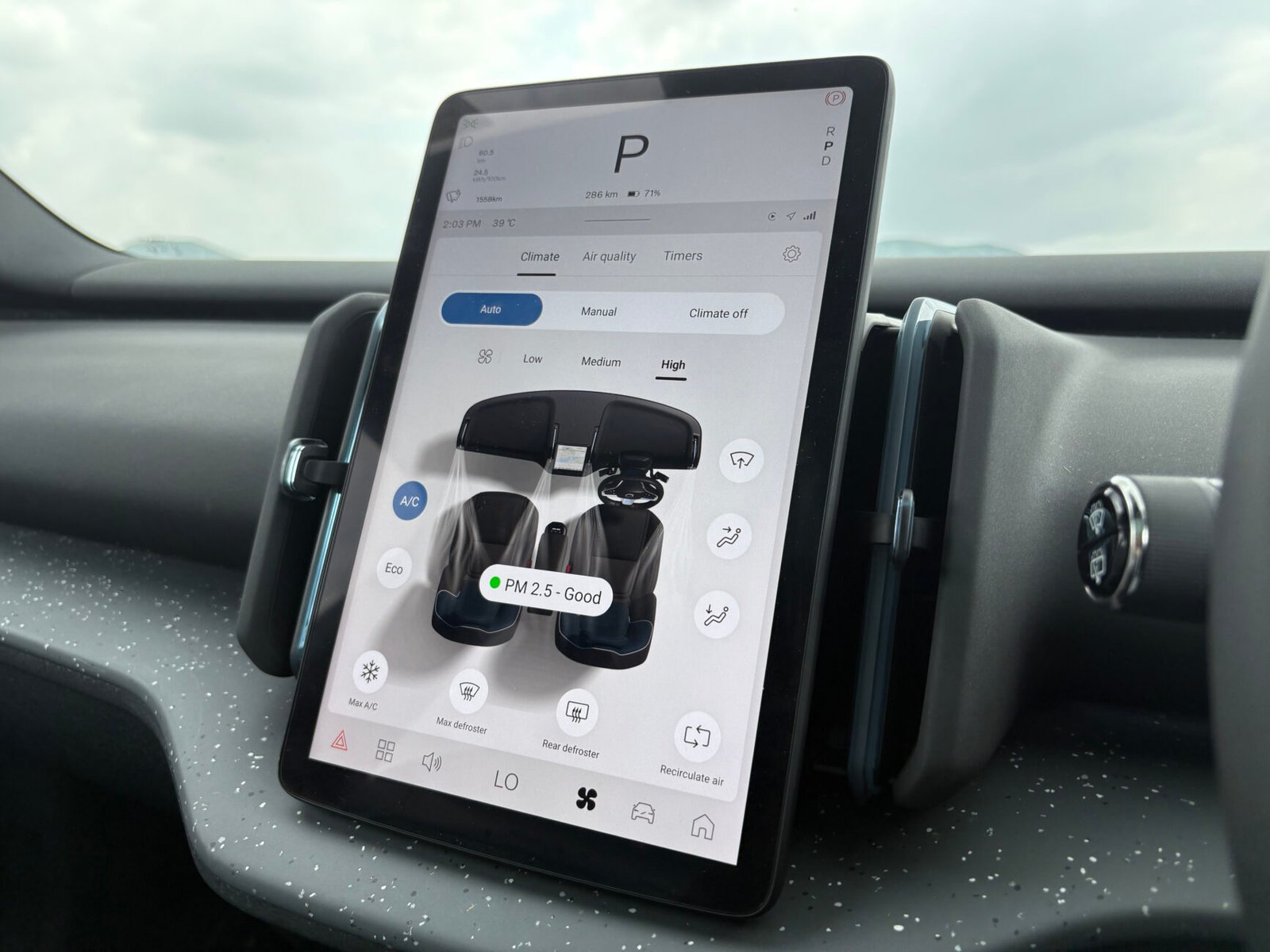
Step inside, and the minimalist revolution continues. The cabin is an exercise in radical simplification. There are virtually no physical buttons on the dashboard. Everything is controlled through a stunning 12.3-inch, portrait-oriented central display. Powered by a Snapdragon processor, it’s lightning-fast, crisp, and beautifully integrated. This screen is not just for your music and maps; it’s also your instrument cluster. A dedicated section at the top permanently displays vital information like your speed, range, and ADAS notifications. It takes a few minutes to get used to glancing slightly to your left for your speed, but it quickly becomes second nature.
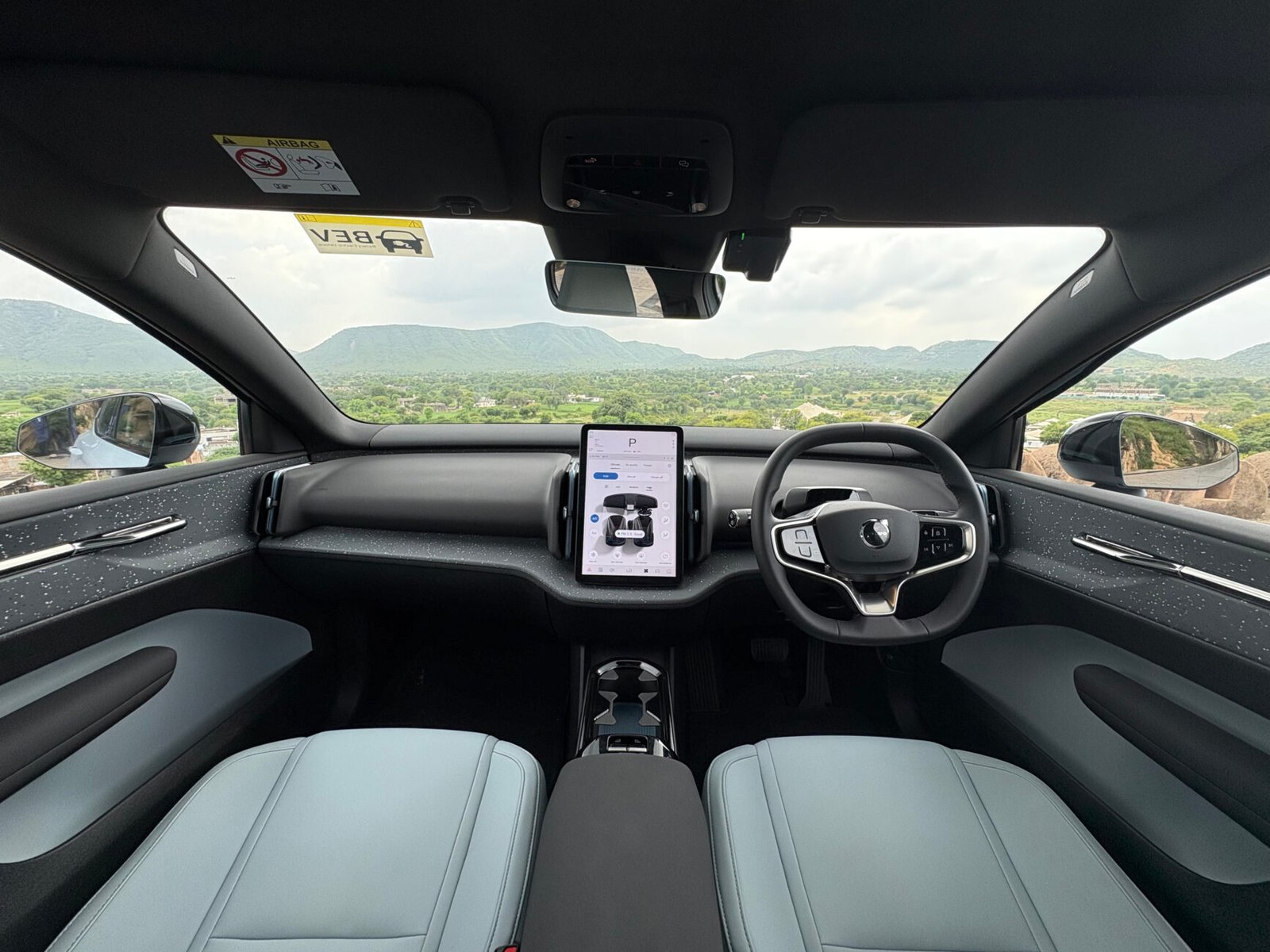
Even functions like adjusting the wing mirrors are handled via the screen, a move that sounds cumbersome but is surprisingly intuitive in practice. I somehow don’t really mind that such a departure from the norm. What I do appreciate is the sense of airiness this creates. The cabin feels spacious and uncluttered. The materials are a talking point in themselves; instead of traditional leather and wood, you get interesting textures derived from recycled materials like denim, plastic bottles and whatnot. It doesn’t feel as overtly luxurious as the more expensive Volvos, but it feels thoughtful, modern, and is still very well put together.
Volvo has also rethought basic ergonomics. The conventional seat adjustment controls are replaced by a single, neat squircle-like knob on the side of the seat. You twist, push, and pull it to adjust every parameter. While it takes a little getting used to, it feels surprisingly ergonomic and cleans up the side of the seat beautifully. Add to this clever storage solutions like a central glovebox (instead of a passenger-side one), cavernous door pockets, and a full-width Harman Kardon soundbar that replaces individual door speakers, and you have an interior that is as clever as it is clean.
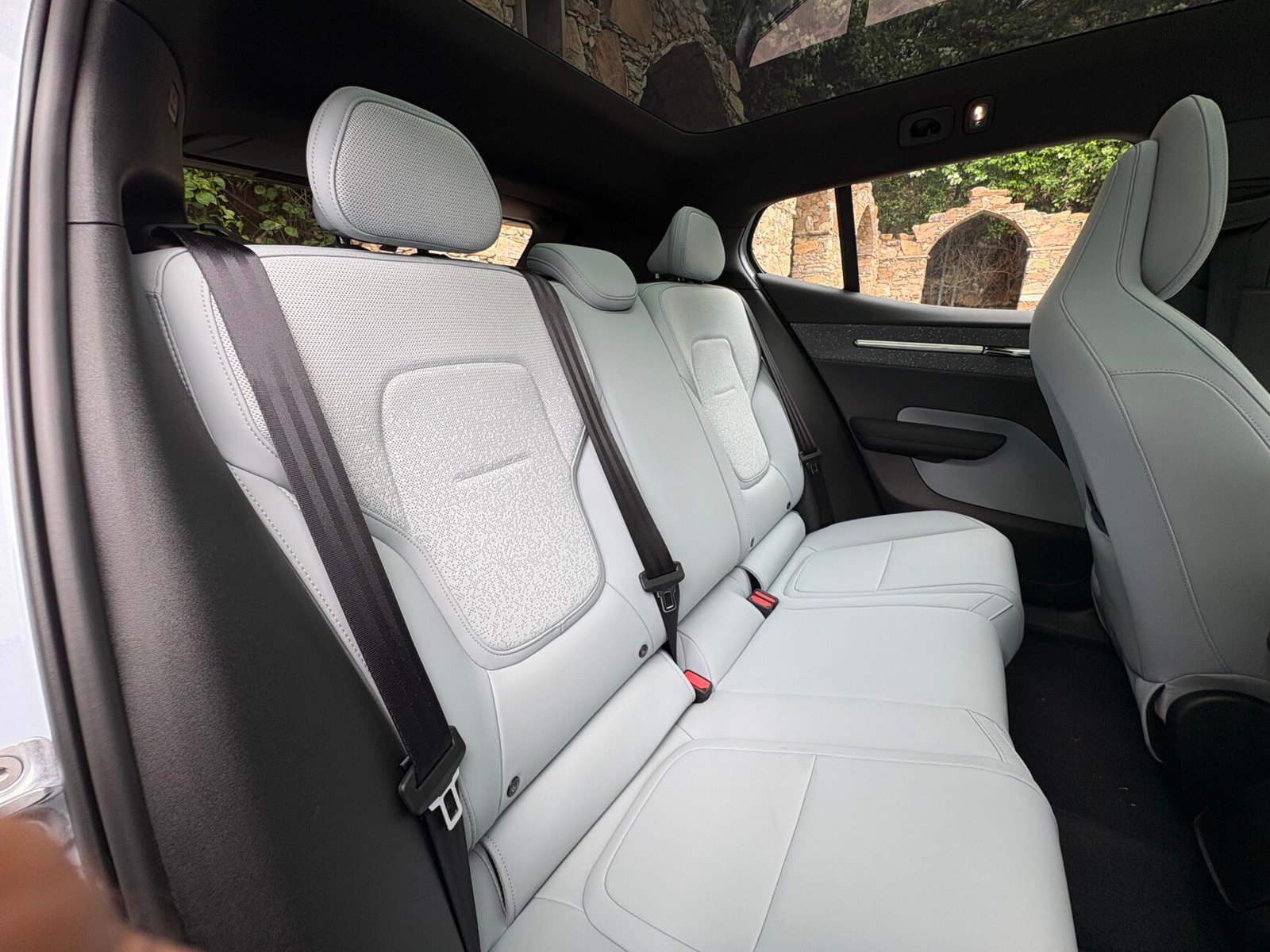
While the front is a masterclass in minimalist comfort, the rear seat is more of a compromise. Due to the battery pack under the floor, the seating position is noticeably high, resulting in a knees-up posture that might become uncomfortable for taller adults on longer journeys. Legroom is adequate, but not generous, and it’s best to think of the EX30 as a car that prioritizes front-seat occupants, with the rear being perfectly serviceable for city trips or for children.
The Quirks: Usability Issues and Feature Omissions
For all its cleverness, the EX30’s cabin is also home to some of the most baffling usability choices I’ve ever encountered in a modern car. What I do mind, quite a bit, is the window switch situation. There are only two physical switches on the central armrest to control all four windows. If you, the driver, want to roll down a rear window, you have to first press a separate touch-sensitive button labelled “REAR” to activate control for the back windows, and then use the same two switches. It’s an infuriatingly convoluted process for such a basic function. It feels less like minimalism and more like a cost-cutting measure masquerading as high design. And their placement on the central armrest instead of the driver’s door? Just why?
Even more annoying is the key. Or rather, the lack of one. The EX30 uses a credit card-style key card. To unlock the car, you have to tap it against a specific spot on the B-pillar. To start the car, you must place this card on the wireless charging pad in the centre console. If your phone is already on the pad, tough luck. It’s a process that feels needlessly complicated compared to the simple convenience of a key fob with keyless entry. It’s a solution in search of a problem. Again, why Volvo?
Then there are the omissions that are particularly glaring for the Indian market. The massive panoramic glass roof is a lovely feature, but it comes with no sunshade. On a bright, sunny day, the cabin is going to get uncomfortably hot. To compound this, there are no rear AC vents. And no ventilated seats, a feature that is becoming common in cars a segment below. These aren’t just quirks; they are significant comfort compromises in a country with our climate.
Volvo EX30 Performance and Ride Quality: A Serene Drive
But once you get past the ergonomic oddities and actually start driving, the EX30 redeems itself beautifully. India gets the single-motor, rear-wheel-drive variant with the larger 69kWh battery pack. It produces a healthy 272PS of power and 342Nm of torque. On paper, the 0-100kmph time of 5.3 seconds is properly quick – hot-hatch territory. Yet, the experience from behind the wheel is surprisingly serene. I don’t know if it’s my exposure to too many EVs with whiplash-inducing acceleration, but the EX30’s power delivery feels calmer, more progressive, and wonderfully linear. It’s fast without being frantic. I like that.
This sense of calm extends to the entire driving experience. The minimalism is not just aesthetic; it’s philosophical. There’s no start/stop button. The car is on the moment you sit inside with the key card in place. The gear selector is a simple stalk on the right side of the steering wheel. There are no drive modes to cycle through, and no adjustable levels of regenerative braking, though you can select a one-pedal driving mode for maximum energy recuperation.
Out on the move, you notice an underlying firmness to the ride, a common trait in heavy EVs. However, Volvo’s engineers have tuned the suspension masterfully. Not once did the EX30 feel uncomfortable or crashy, even over some bad roads just outside Jaipur. It remains composed and absorbs imperfections with a sophistication that belies its compact size. The steering is very light by default, which is great for city maneuvering, but I kept it in the ‘Firm’ setting for my entire drive to give it a bit more reassuring weight. It’s not a sports car, but it’s an incredibly competent and comfortable city car.
Expected Price, Verdict, and Competition
As with all Volvos, safety is non-negotiable. The EX30 comes with a 5-star Euro NCAP safety rating and is packed to the gills with ADAS technology, including a system that prevents you from opening your door into the path of an approaching cyclist. The WLTP range is a claimed 480km, which should translate to a realistic 350km in real-world Indian driving conditions, provided you play nice with the throttle.
Volvo is expected to launch the EX30 at a price point hovering around the ₹50 lakh mark. This is a tricky position. It opens it up to competition from all fronts – larger EVs like the Hyundai Ioniq 5, Kia EV6, and the BMW iX1 LWB. Competitors like the iX1 offer more rear-seat space and a more conventional luxury experience. But the EX30 isn’t trying to win a numbers game. It’s offering something different. It’s a car with a genuine personality, a car that makes you smile with its clever design and occasionally makes you scratch your head with its quirks. It’s a statement piece that also happens to be a fundamentally very good city car. It’s for the buyer who values design and character over outright space and convention. It’s charmingly flawed, but in a world of automotive beige, its vibrant, quirky character might just be its greatest strength.