

A few days ago, I found myself navigating the sun-drenched, humid streets of Kochi. In that climate, every design choice in a car is magnified. You notice how fast the air conditioning settles the cabin, how the screen remains legible under the harsh midday sun, and how the powertrain handles the frantic, stop-start rhythm of Kerala’s coastal traffic. This was the backdrop for my first drive of the 2026 Tata Punch EV, a car that feels like it has finally cracked the code for mainstream electric adoption in India.
The Punch has been a monumental success for Tata Motors since 2021. However, this 2026 refresh is more than a standard cosmetic facelift. It represents a fundamental shift in how we might buy and run our cars moving forward.
The Economics of BaaS
The biggest headline here is not the range or the horsepower, but the price tag. Tata has introduced a Battery as a Service (BaaS) model that effectively decouples the most expensive component of an EV from the vehicle itself. This brings the entry price of the Punch EV down to Rs 6.49 lakh.
You buy the car and then subscribe to the battery at a rate of Rs 2.6 per kilometer. For a buyer who covers moderate distances, this eliminates the EV tax entirely. Even if you choose the traditional ownership route, the prices have seen a significant correction. The top-tier variant now sits at Rs 12.59 lakh, a massive drop from the previous Rs 14.44 lakh. In the world of tech-driven value, this is a rare instance of getting significantly more for significantly less.
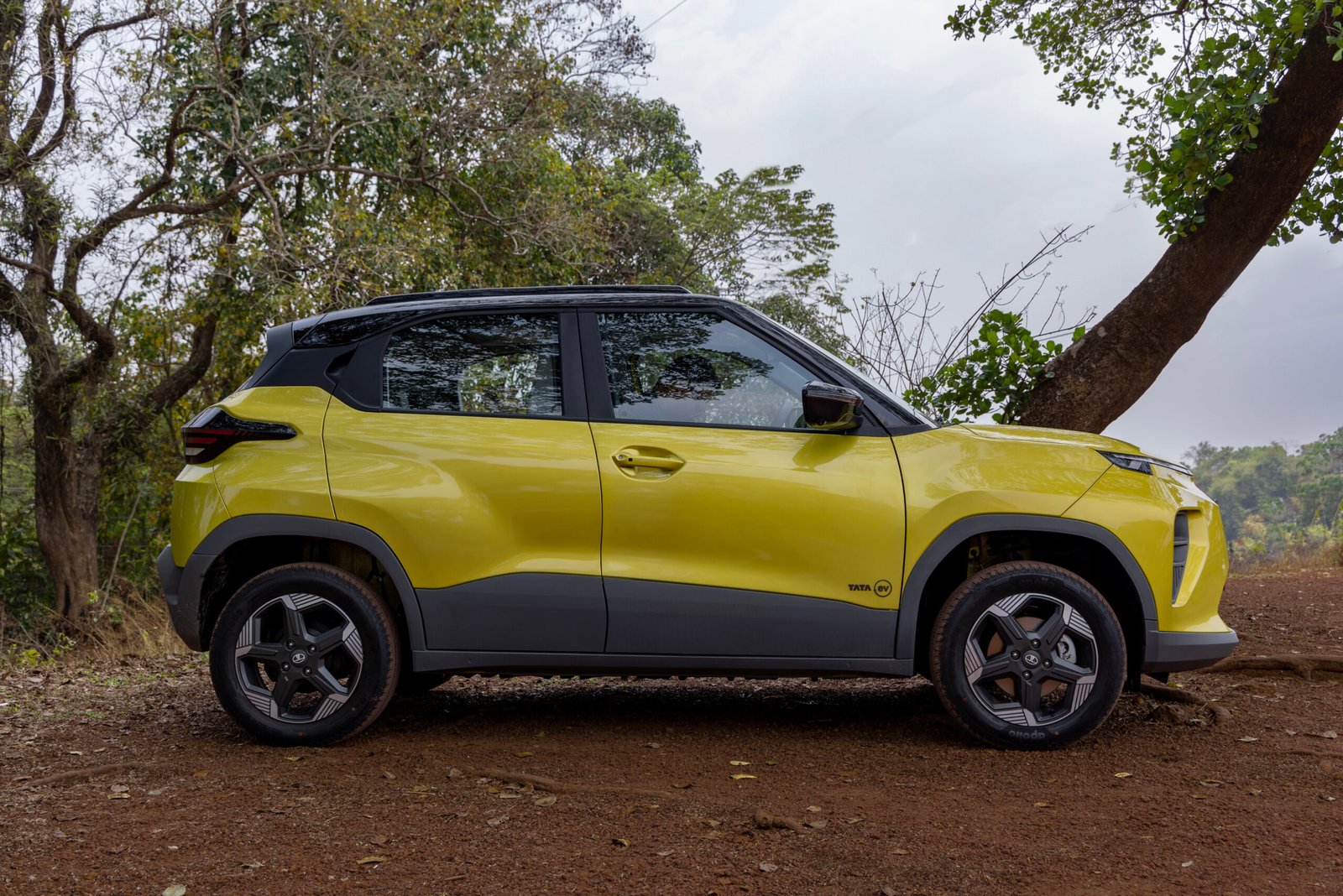
Hardware Upgrades: Bigger, Faster, Leaner
The 2026 model sees the battery packs grow to 30kWh and 40kWh, replacing the older 25 and 35 units. On the 40kWh Long Range version, the ARAI-certified range is 468km. In the real world, including the energy-sapping Kochi heat with the AC on full blast, you can realistically expect around 355km.
What is more impressive is the charging tech. The car now supports 65kW fast charging. This means a 20% to 80% top-up happens in just 26 minutes. For the first-time owner, Tata is also offering a lifetime warranty on the battery pack, which is perhaps the strongest statement of confidence they could make regarding their thermal management and cell longevity.
Under the hood, the motor is now a more efficient, integrated unit. It produces 127hp and allows the Punch EV to hit 100kmph in under 9 seconds. Despite the larger batteries, the car still weighs in at a manageable 1360kg, ensuring that the agility of the original platform remains intact.
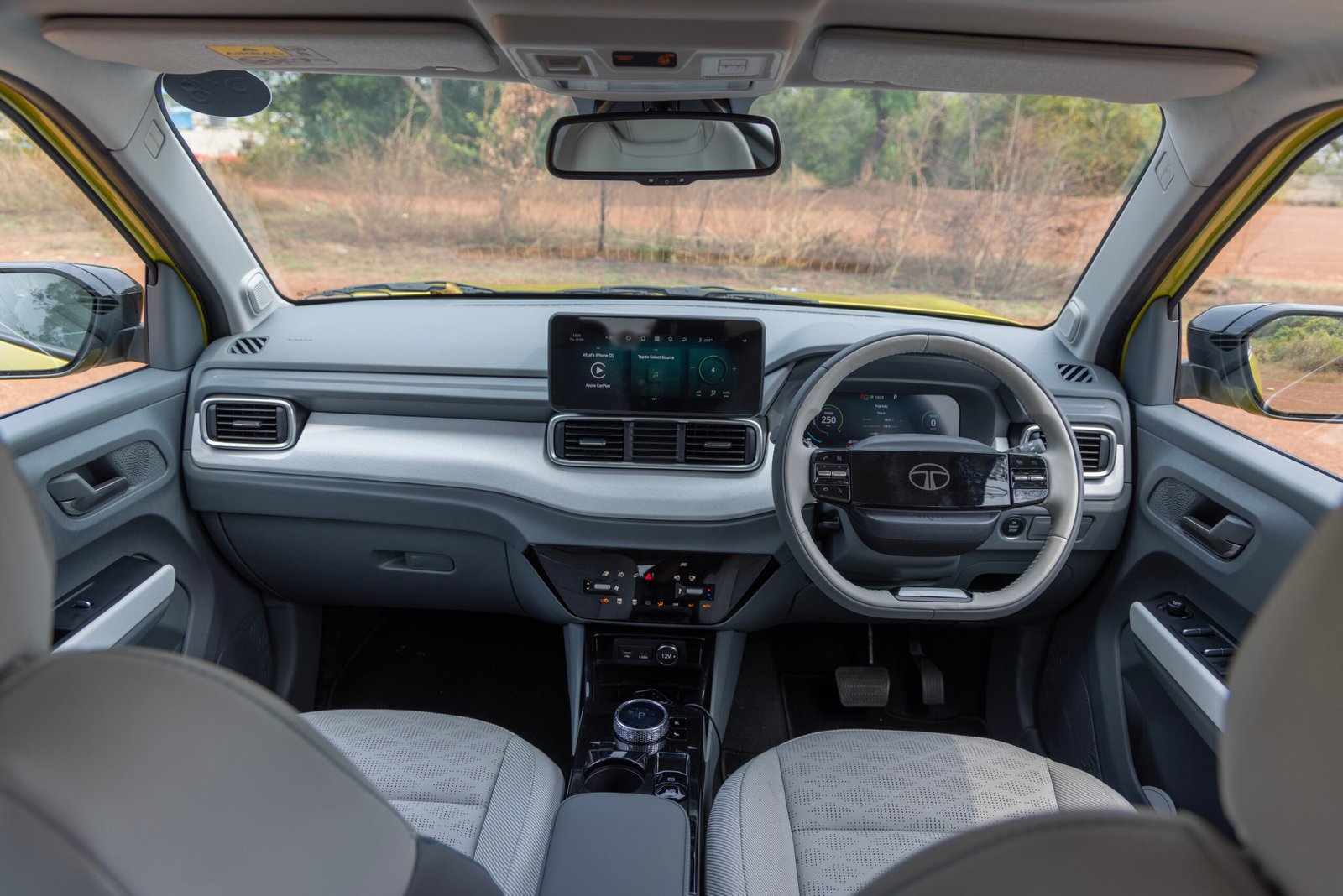
The Tech Suite and Interior Experience
Inside the cabin, the experience is defined by sensible upgrades. The 90-degree opening doors remain a highlight for accessibility, but it is the new tech that catches your eye. The digital instrument cluster is crisp and provides detailed energy flow data.
The 360-degree camera system is particularly useful in tight urban environments. A new safety feature that I appreciated in Kochi’s busy lanes was the high-beam notification. If you leave your high beams on for more than a minute the car prompts you to switch to low beams. It is a small, software-driven addition that addresses a major pain point on Indian roads.
The 65W Type-C charging port is another pro-sumer touch. It is powerful enough to charge a laptop or fast-charge a smartphone, eliminating the need for bulky 12V adapters. The air purifier is also standard now, which is a welcome addition given the rising pollution levels in our tier-1 and tier-2 cities.
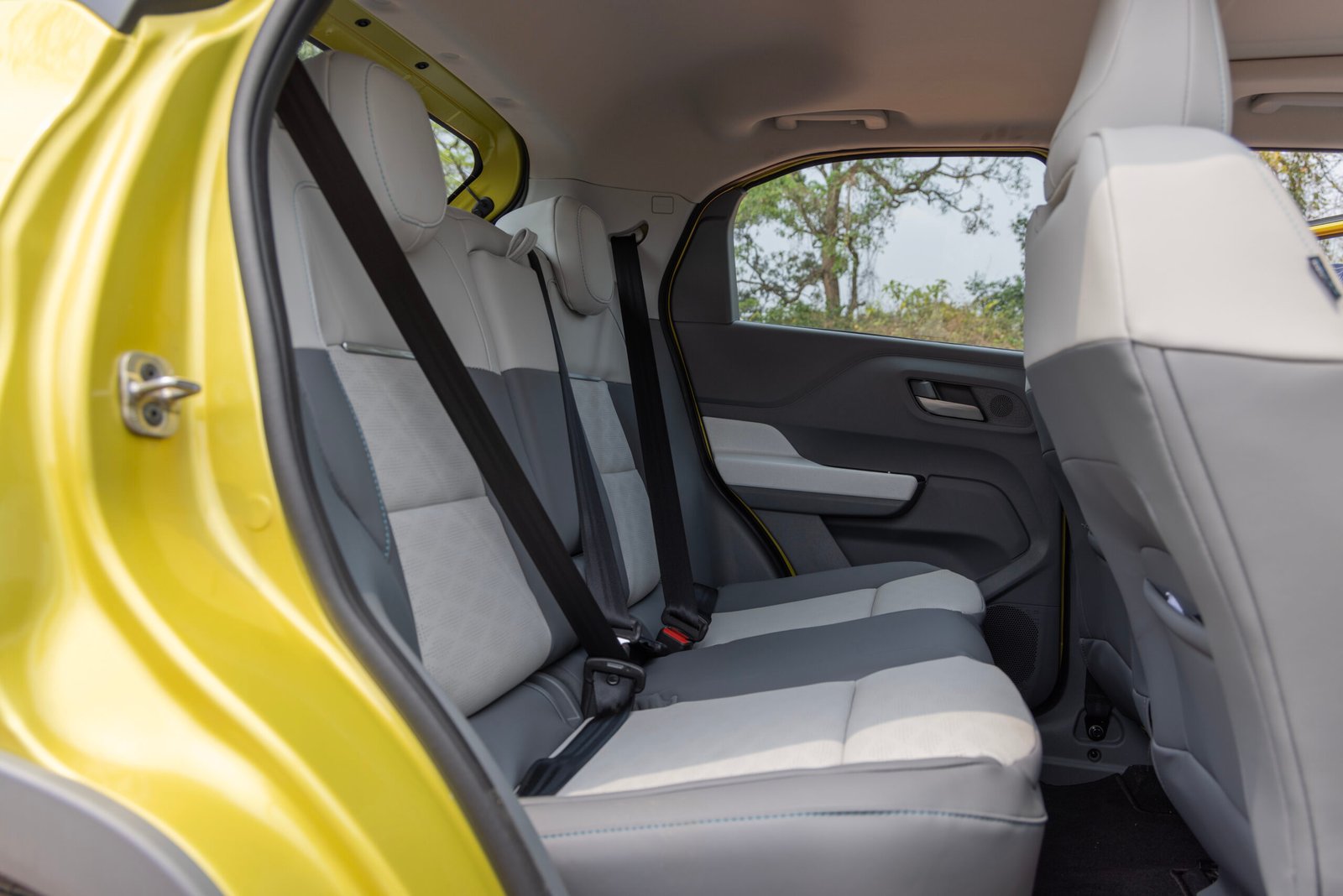
Ride and Handling
The Punch EV has always benefited from having its heavy battery pack mounted low in the floor. This gives it a center of gravity that its petrol siblings cannot match. On the roads leading out of Kochi, the car felt incredibly planted.
The suspension is tuned with a slight bias toward firmness to handle the extra weight, but it never felt brittle. It handles broken patches of tarmac with the characteristic Tata thud rather than a rattle. With 195mm of ground clearance and a 450mm water-wading depth, it retains its SUV credentials, making it far more capable than your average city hatchback.
The Unboxed Verdict
The 2026 Tata Punch EV is a rare example of a product that has matured exactly where it needed to. It has more range, faster charging, better tech, and a price point that makes the internal combustion engine look expensive.
By introducing the BaaS model, Tata has removed the last major barrier to EV ownership: the high upfront cost. Whether you are a tech enthusiast looking for a silent, torque-rich commuter or a pragmatic buyer looking for the lowest cost per kilometer, the Punch EV is now the most compelling argument for going electric in India today.