

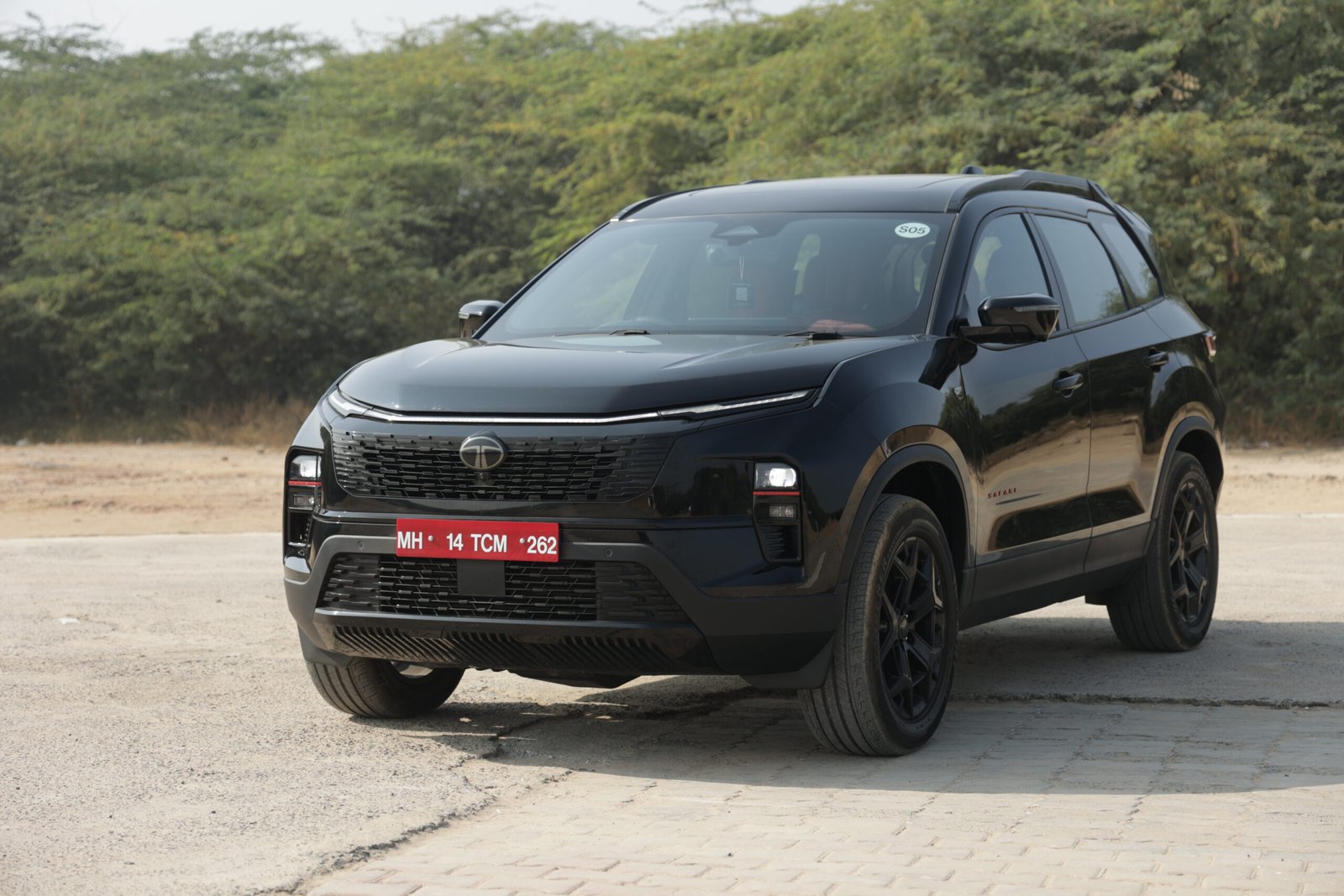
It has been a long time coming. Since the Tata Harrier first burst onto the scene in 2019, followed closely by the Safari, they have tugged at the heartstrings of the Indian SUV buyer. They looked the part, had very good ride quality, and they had a road presence that could make much more expensive SUVs nervous. But there was always something missing.
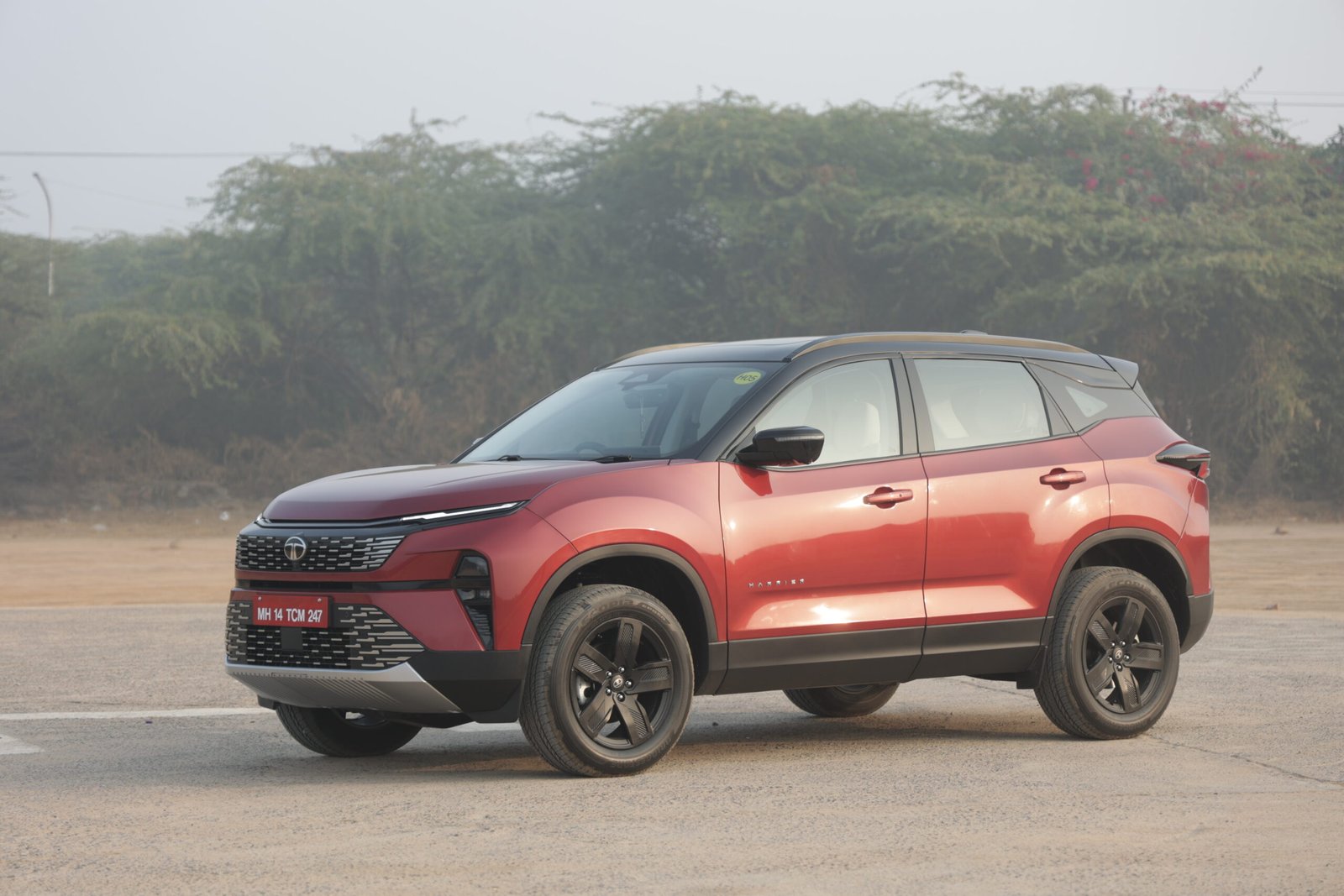
That something was the powertrain. The 2.0-litre diesel, while robust, was noisy, unrefined, and paired with a steering setup that felt like a gym workout in the city. The 2023 facelift fixed the steering and added a ton of tech, but the engine (and the gearbox) remained the chink in the armour. It was the one thing that held these otherwise excellent SUVs back.
Now, Tata Motors has finally answered our prayers. The new 1.5-litre TGDi Hyperion turbo petrol engine is here, paired with a 6-speed Aisin torque converter automatic. And let me tell you right off the bat: this is a transformative update.
Engine and Performance
We are not here to examine the design of the Safari or Harrier today. You know they look good. We are here to sample this new heart. And it is hard to overstate how much of a difference this new drivetrain makes. It is just that big of an upgrade.
The specs on paper – 168bhp and 280Nm of torque – might make you skeptical. This is, after all, a 1.5-litre engine in a pair of heavy, full-size SUVs. I had the same concern. Would it feel underpowered? Would it struggle to haul this mass?
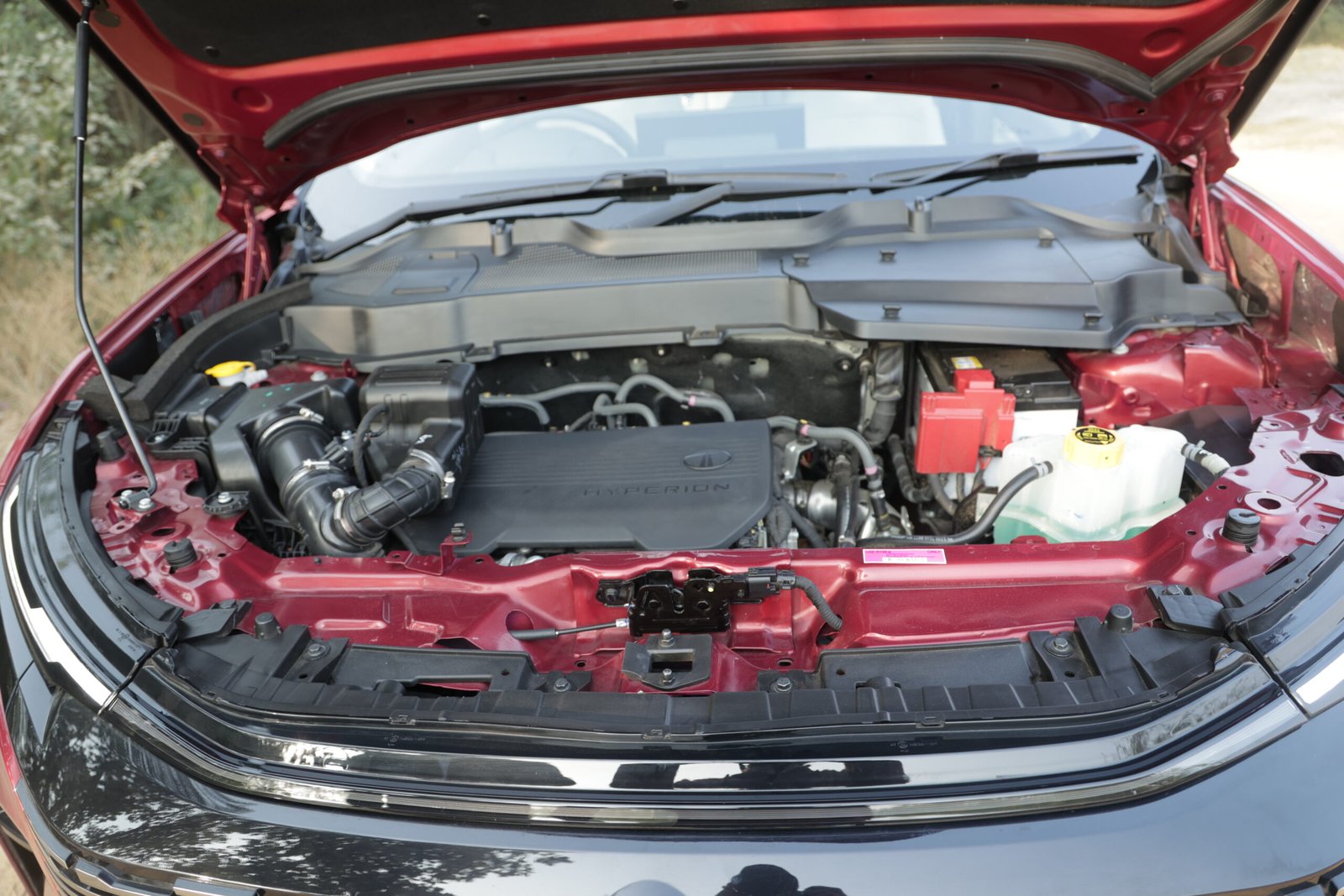
But the moment you start driving, that thought goes out the window. Power is never in short supply. The engine has a torquey character that you typically find in diesels, which suits the Harrier and Safari perfectly. It pulls cleanly from low revs, and thanks to the brilliant calibration with the 6-speed Aisin gearbox, the delivery is smooth and linear. It makes the Harrier and Safari feel properly quick, something I never thought I would say about these cars.
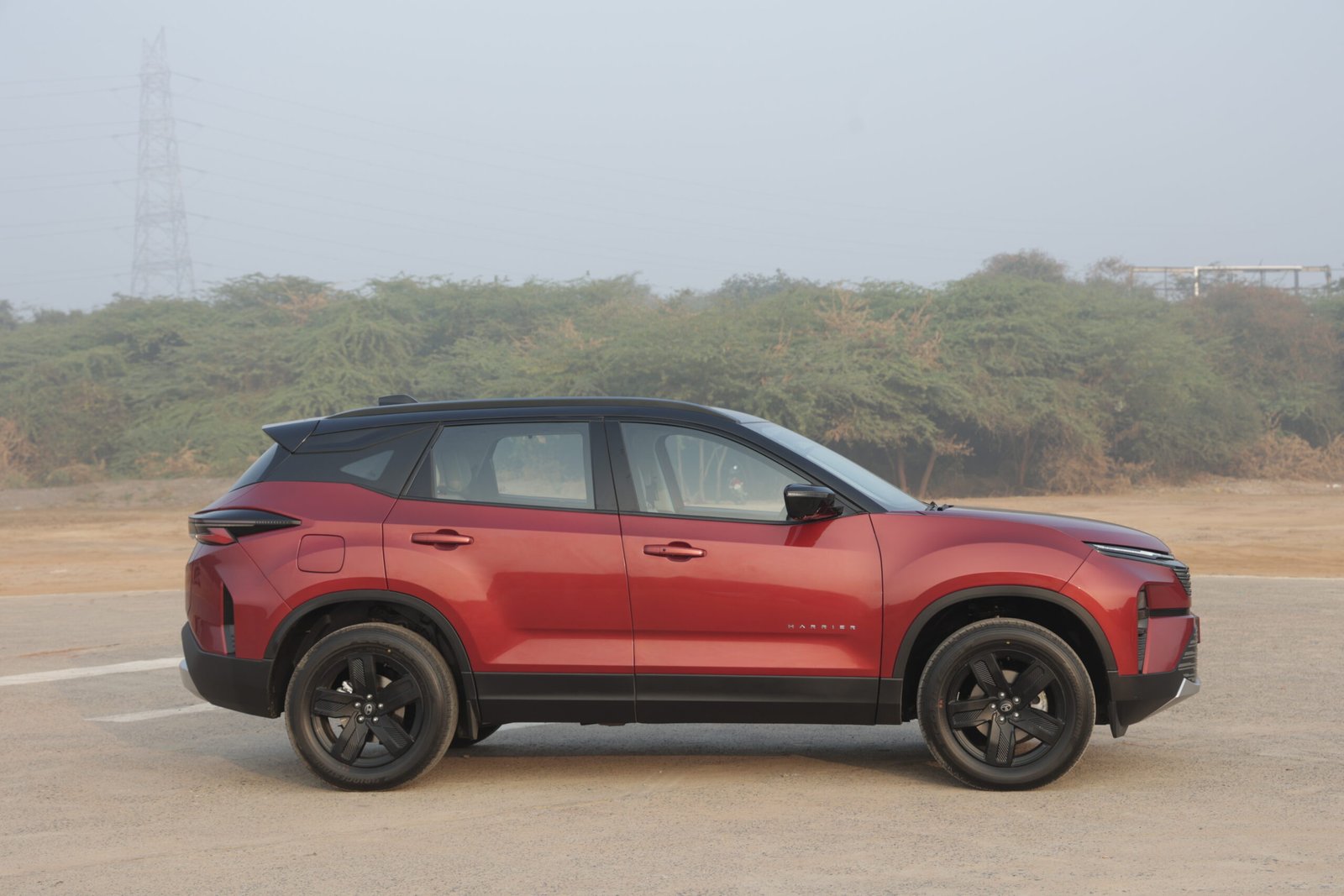
The biggest change, however, is the refinement. The clatter and vibration that defined the diesel experience are gone. At city speeds, the cabin is hushed. When you do step on it, the engine note is sporty rather than strained.
Ride and Handling
Tata has always known how to tune a suspension for our roads, and this dynamic combination is judged perfectly for Indian conditions. In fact, I’d like to stick my neck out and say that this is the best overall balance I have seen for an SUV at or below this price range.
Sure, it is not the most spirited of handlers. You are still driving a tall, heavy SUV, and there is a good amount of body roll if you push it hard into a corner. But that is not the point of these cars. If I were to pick a car to do something like a 500km roadtrip, these would be at the top of my list.
Some of the better handlers in our market are often caught out when they encounter bad roads, of which there are plenty in our country. They get stiff, crashy, and just aren’t pleasant to be in when the tarmac disappears. These Tatas are different. They just steamroll everything that’s thrown their way.
Interior and Features
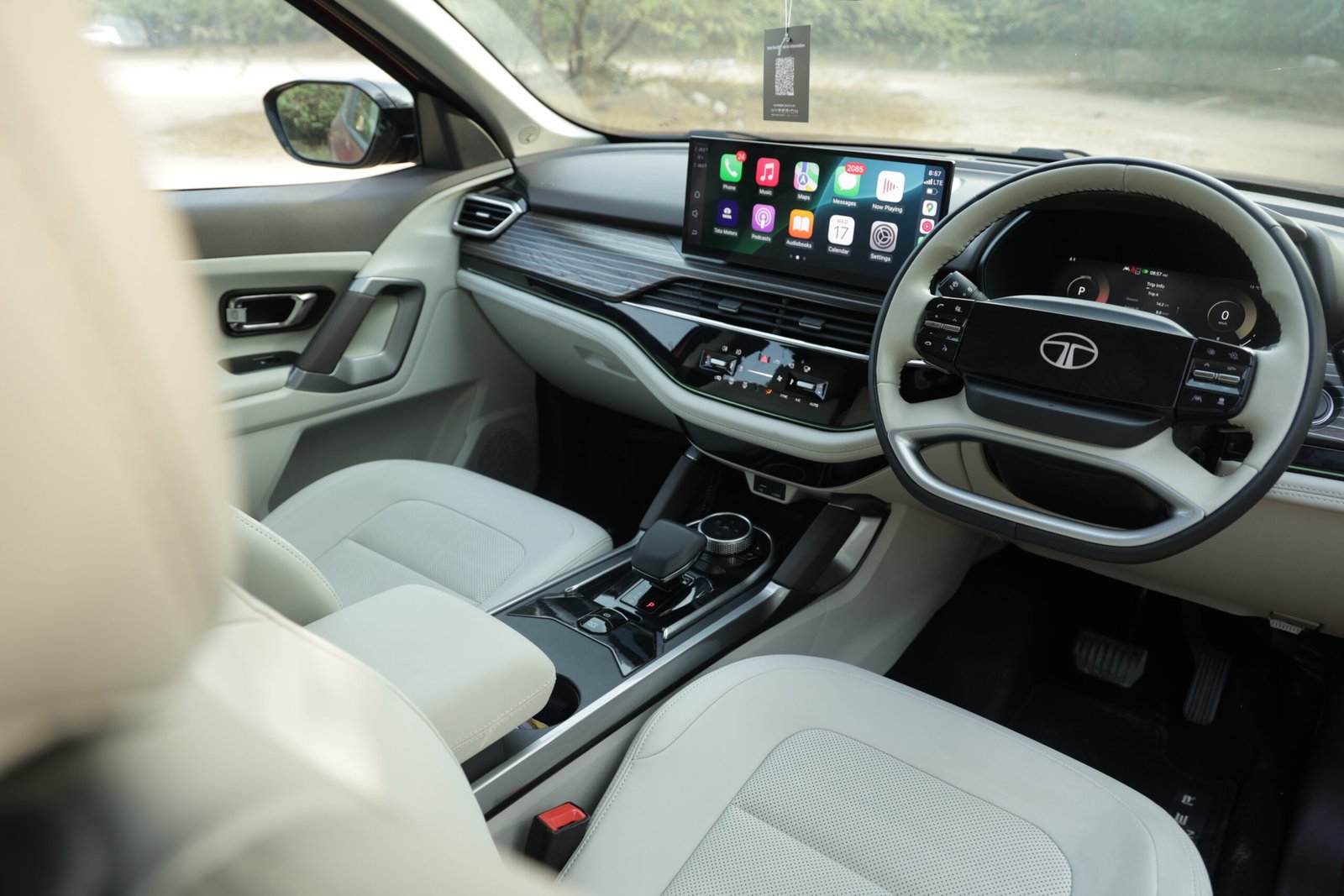
When you are not driving, there is a lot to appreciate about the cabin experience. The 2023 facelift had already elevated the interiors significantly, but Tata has polished it further with the new trims. The Harrier I drove featured the new Fearless Ultra trim, while the Safari came in the Accomplished Ultra avatar.
The centerpiece is undoubtedly the new 14.5-inch Samsung Neo QLED infotainment screen, borrowed from the Harrier EV. It is crisp, responsive, and paired with a 10-speaker JBL system that supports Dolby Atmos, it is easily the best media experience in the segment.
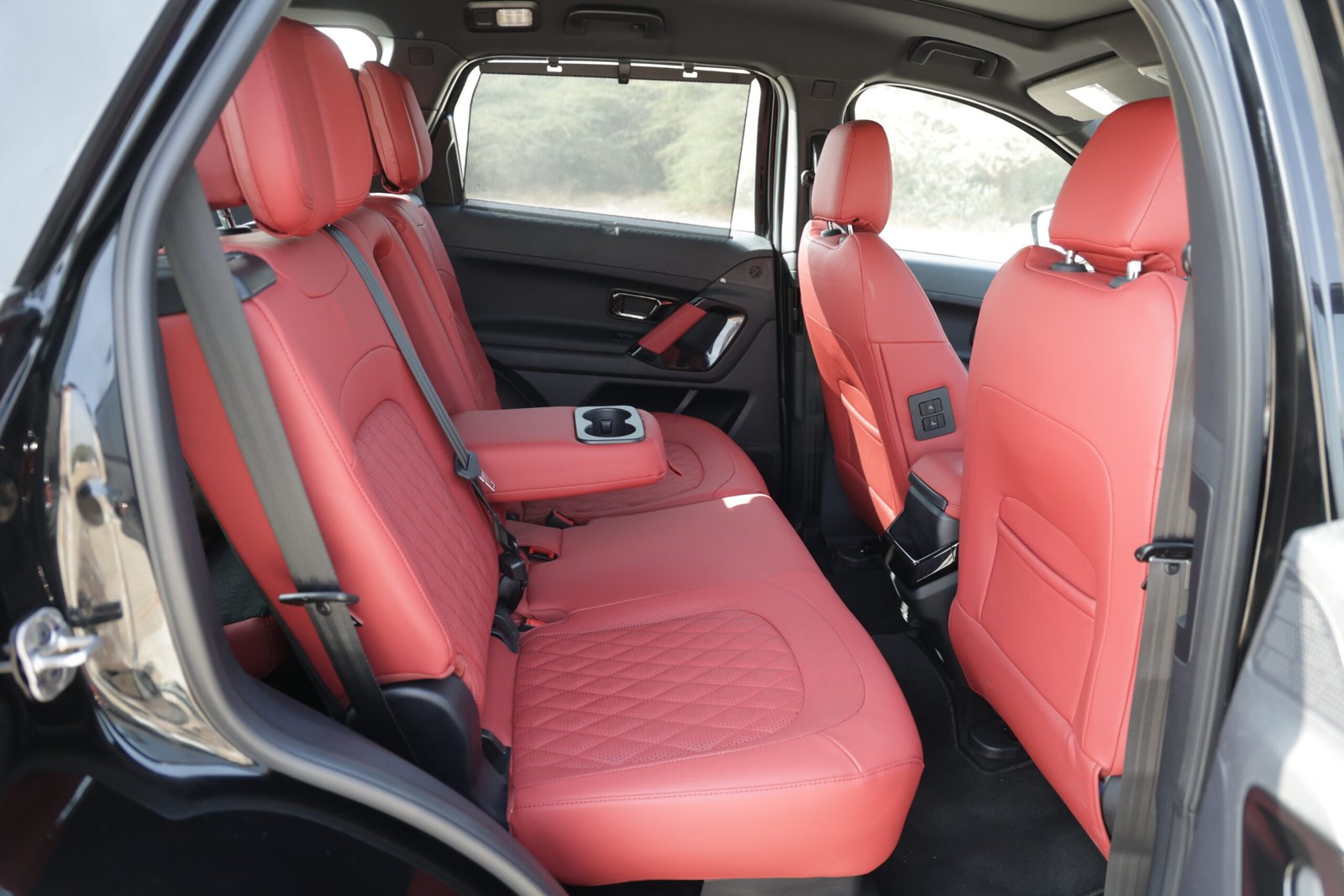
Tata has also introduced the ‘Red Dark’ package on these petrol variants, which adds a brooding, sporty aesthetic with Carnelian Red interiors. I love it.
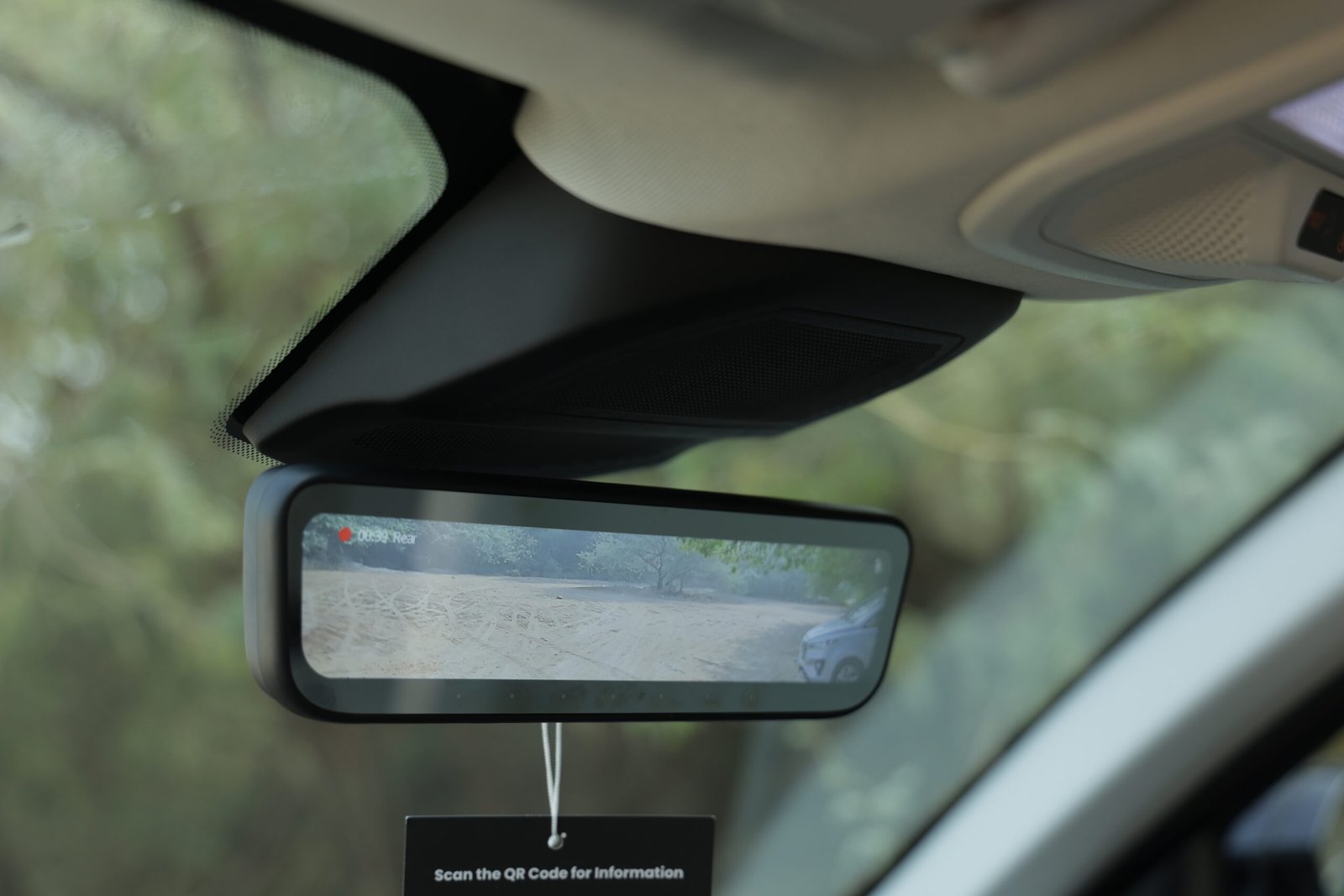
Practicality has seen a bump too. There are clever touches like the new E-IRVM (electronic internal rear-view mirror) that doubles as a dashcam, a feature every car in India should have. The external rear view mirrors get auto-tilt functionality when you put the car in reverse, a useful convenience feature for such large SUVs. Another small but significant addition is the camera washer for both front and rear cameras. Anyone who has tried to park a 360-degree camera-equipped car in the monsoon knows how useless those cameras become when muddy. This solves that problem brilliantly.
Comfort
The Safari remains the king of comfort in the sub-30 lakh space. The front seats are ventilated and powered, as before, but the addition of the sliding central armrest makes long highway stints much more comfortable. In the Safari, the second-row ventilated seats (in the 6-seater version) are a godsend for our climate.
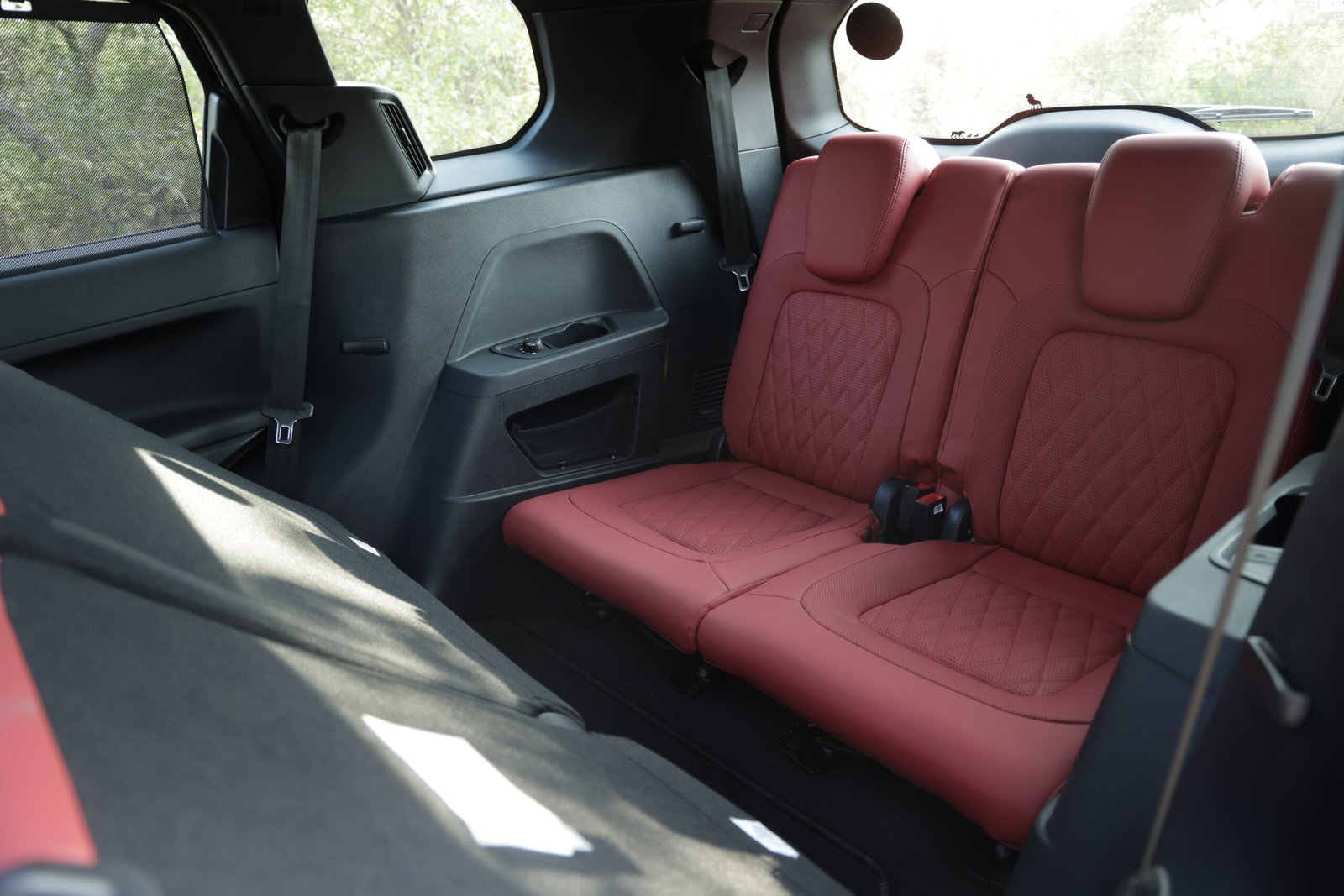
Space, as always, is generous. The Harrier offers ample room for five, and the Safari’s third row is actually usable for adults on short trips, which is more than can be said for many of its rivals.
Verdict
So, then what do we have here?
For years, recommending a Harrier or Safari came with a caveat. “It’s a great car,” we would say, “if you can live with the diesel.”
That caveat is gone.
Tata has only improved on what was already a really nice cabin experience with these two new trim levels. But more importantly, the new 1.5-litre turbo petrol engine and the Aisin gearbox have fundamentally changed the character of these SUVs. They are smoother, faster, and infinitely more refined.
If you were holding out on buying a Harrier or Safari because you didn’t want a diesel, your wait is over. This is the best these SUVs have ever been.